
Get Healthy!
- Posted February 18, 2026
NIH Institute Told To Drop ‘Biodefense’ and 'Pandemic Preparedness' Language From Website
As new infectious threats emerge worldwide, a key U.S. health agency is quietly stepping away from language tied to pandemic planning, a change some experts warn could leave Americans less protected when the next crisis hits.
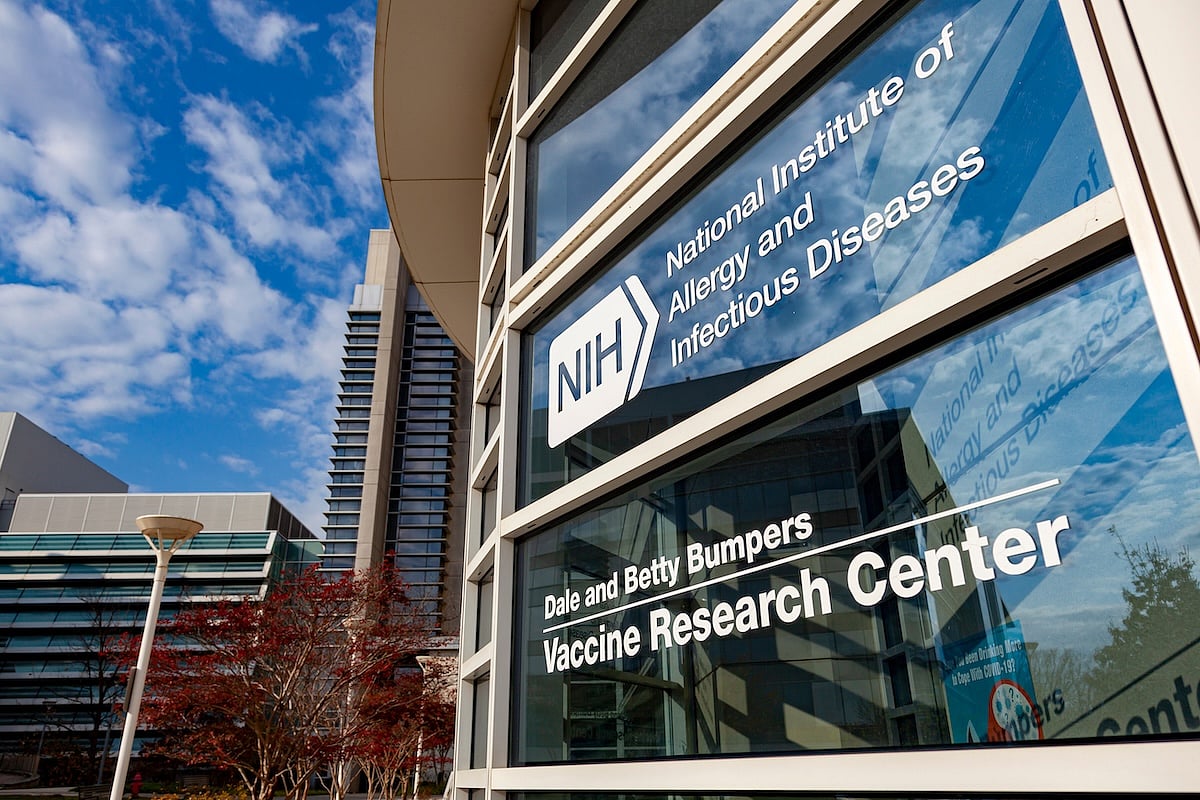
Staff at the National Institute of Allergy and Infectious Diseases (NIAID) have been told to remove references to “biodefense” and “pandemic preparedness” from the agency’s website, according to a Feb. 13 report in the journal Nature.
Emails reviewed by the journal show that the changes were ordered internally, though the sender was not identified. Four NIAID employees talked to Nature anonymously, saying they were not authorized to speak publicly on the matter.
The staffers said the changes indicate a bigger shift in priorities at NIAID, one of 27 institutes within the National Institutes of Health (NIH). They said the agency may scale back long-standing priorities such as HIV research, biodefense and pandemic preparedness.
In a commentary, NIH Director Dr. Jay Bhattacharya and other leaders wrote that the institute will now “address the most impactful infectious diseases that Americans currently face with evidence from gold standard science and … support innovative research to address fundamental studies in immunology and allergic and autoimmune diseases to improve patient outcomes."
The commentary was published Jan. 16 in Nature Medicine.
Public health experts say removing pandemic-focused language sends the wrong message.
“Just because we say we’re going to stop caring about these issues doesn’t make the issues go away -- it just makes us less prepared,” Dr. Nahid Bhadelia, director of Boston University’s Center on Emerging Infectious Diseases, told Nature.
She said that infectious threats continue to evolve in animals and can spill over into humans at any time, making preparedness critical.
NIAID manages a $6.6 billion budget. About one-third of that money supports research on emerging infectious diseases, including efforts to protect against new viruses as well as chemical and radiation threats.
Another $1.5 billion funds HIV/AIDS research, according to the report.
But those resources may be shrinking.
Since Donald Trump returned to the White House in January 2025, the NIH workforce has been cut by about 20%, due to layoffs and resignations.
What's more, in June, federal officials also paused operations at the Office of Pandemic Preparedness and Response Policy. The office was created in 2023 to help the U.S. stay ready for outbreaks, including by supporting vaccine and treatment development.
Experts say that scaling back pandemic planning now could leave the country less ready for future health emergencies, especially as global disease threats persist.
More information
The American Library Association has more on preparing for pandemics.
SOURCE: Center for Infectious Disease Research and Policy, news release, Feb. 16, 2026


